



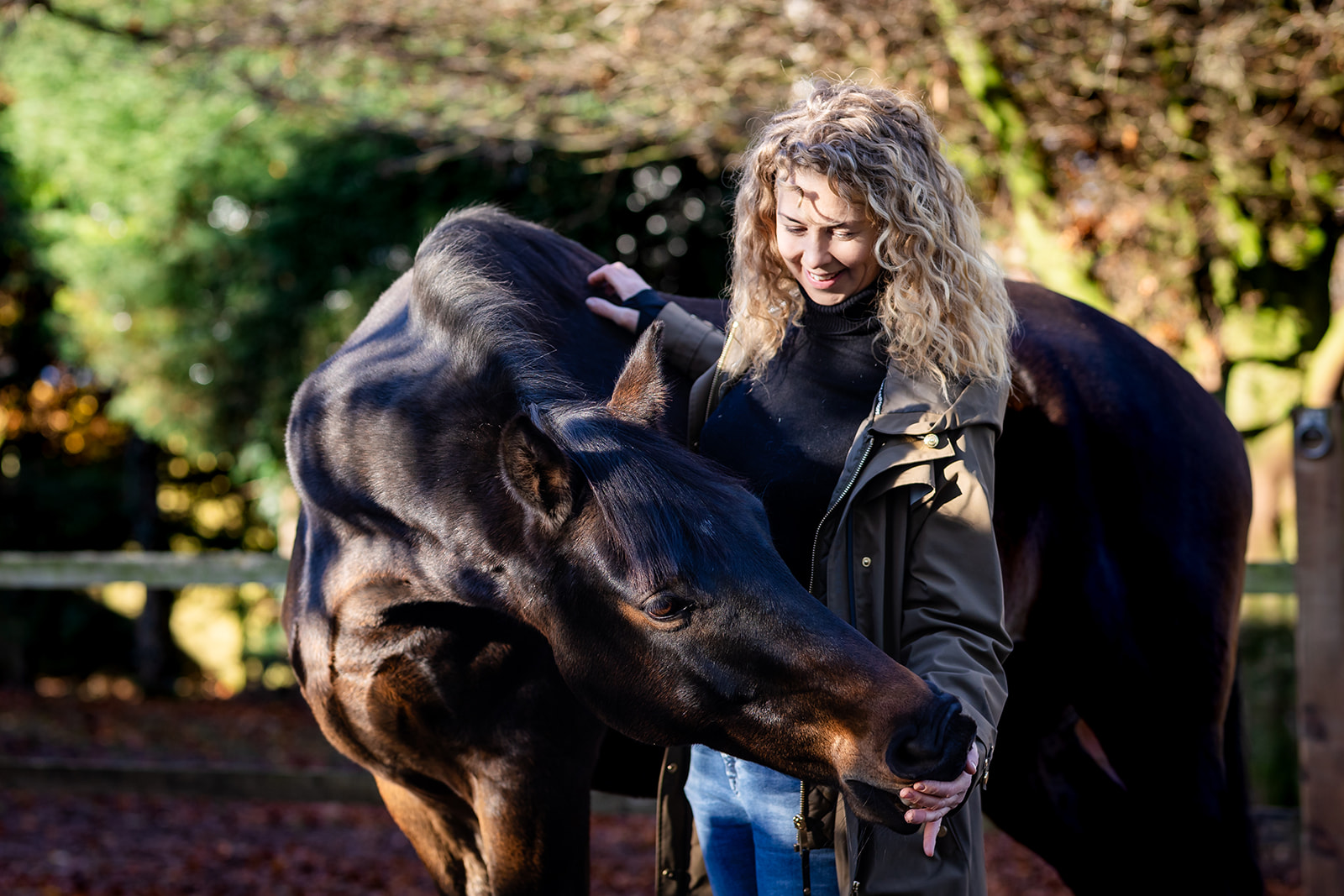
Liberty Training – building connection on the ground
When I closed my Travel Company after 15 great years I wanted to fulfil my dream of owning my own horse again, as I had done when I was 13 years old, with Jack. I had a clear view of what this new adventure was going to look like and was so excited preparing for my new life with Reggie, a beautiful 15.2, 4 year old dressage trained horse.
I had no idea then what would transpire and ultimately how lost and upset I would feel in those first 6 months. However through starting to listen to Reggie and what he wanted and needed, rather than my own agenda we embarked on an amazing, life changing journey together, which I am thankful for every day.
The start of that journey was discovering Liberty Training and a fantastic specialist called Rebecca Holloway who showed me the incredible connection that can be achieved through working with your horse on the ground giving them encourgment, direction and choice.
It was a massive turning point to realise that I could share my life with Reggie without riding and offer him his best life. To see the transformation from a very stressed, anxious horse to a beautifully calm, trusting and happy boy just by listening to him and giving him some agency over his life and what he does. The journey has been decided together and that is what Liberty is all about!
Read on to find out all about Liberty Training and how you can start…
Liberty Training for Horses: Building Trust Without Ropes
Horse training has evolved significantly over the years, with many modern trainers focusing on communication, partnership, and mutual respect rather than force and control. One of the most fascinating approaches to emerge from this philosophy is liberty training—a method that allows horses to work freely without ropes, halters, or physical restraints. At its core, liberty training is about creating a relationship where a horse chooses to engage with its handler because of trust, understanding, and clear communication.
What Is Liberty Training?
Liberty training refers to working with a horse at liberty, meaning the horse is free to move without being physically connected to the trainer. Unlike traditional groundwork, where a lead rope or lunge line is often used, liberty training relies on body language, timing, and positive reinforcement to guide the horse’s behavior.
The goal is not simply to perform impressive tricks or routines. Instead, liberty training seeks to establish a deeper connection between horse and handler, encouraging the horse to willingly participate in activities and respond to subtle cues.
The Benefits of Liberty Training
Strengthening Trust
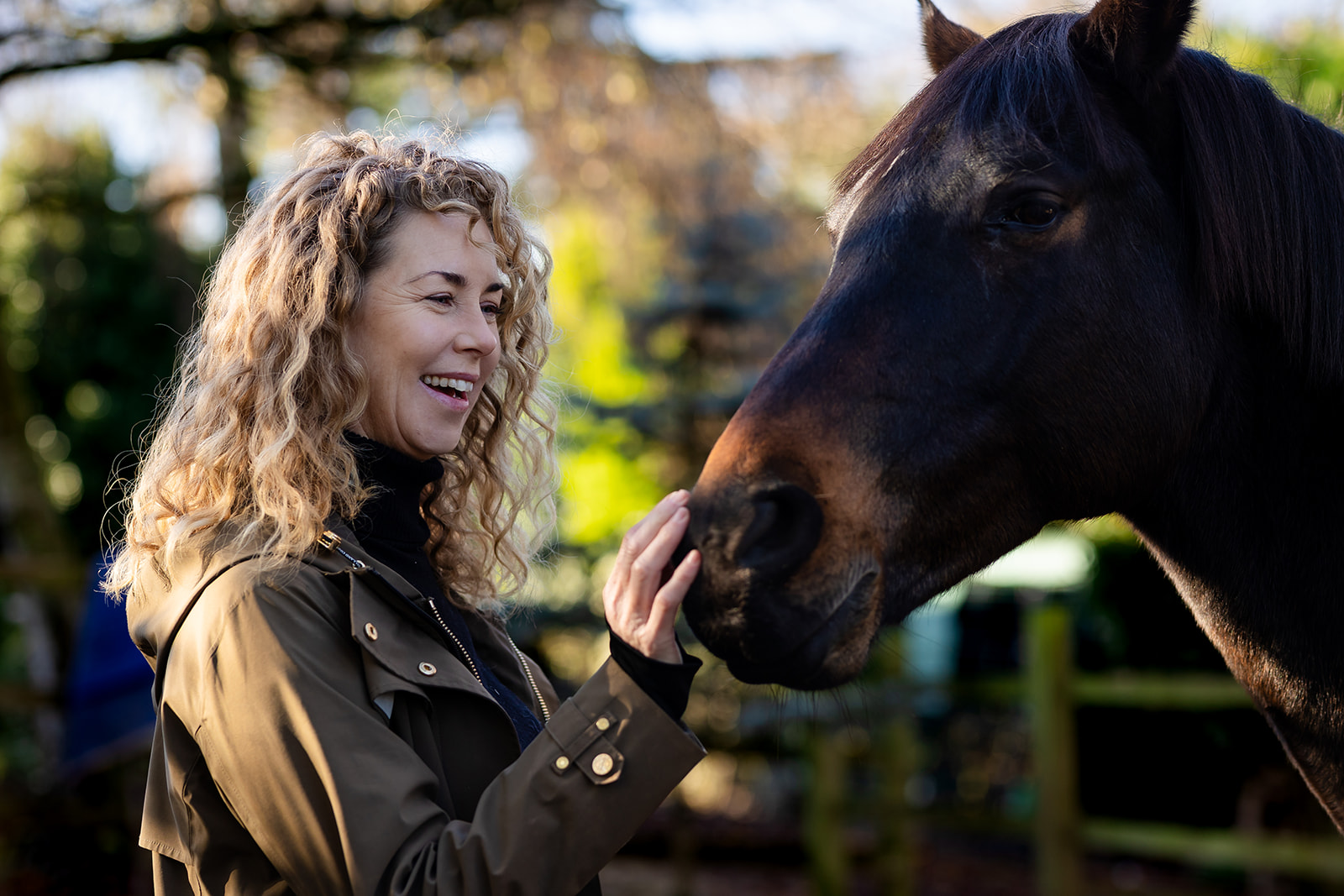
Because the horse is free to leave at any time, every interaction becomes a choice. As a result, liberty training can significantly strengthen trust and confidence between horse and handler. Horses learn that their human partner is consistent, fair, and rewarding to be around.
Improving Communication
Liberty training requires handlers to become more aware of their body language and energy. Horses are highly sensitive animals that naturally communicate through movement and posture. By learning to communicate in a way horses understand, handlers often develop clearer and more effective training skills.
Enhancing Mental Stimulation
Many horses enjoy the mental challenge that liberty work provides. Training sessions often involve problem-solving, learning new behaviors, and responding to subtle signals, which can keep horses engaged and motivated.
Developing Willingness
A horse that follows, circles, changes direction, or performs maneuvers without physical restraint is demonstrating genuine willingness. This voluntary cooperation can carry over into other areas of training, including everyday handling.
Getting Started with Liberty Training
Build a Foundation First
Before attempting advanced liberty exercises, it’s important to establish solid groundwork. Horses should understand basic cues such as moving forward, stopping, backing up, and yielding their hindquarters and shoulders.
My liberty trainer always encouraged me to not have a strong agenda; to listen to the horse and how they felt on that particular day and approach it with a sense of fun.
Start in a Safe Environment
A round pen or enclosed arena is an ideal location for early liberty sessions. The contained space allows the horse to move freely while minimizing distractions and safety risks. You can however start the basics in a corner of your field.
Focus on Small Successes
Early liberty training may be as simple as encouraging the horse to follow you for a few steps or respond to a stop cue. Reward every correct response and gradually build on these small achievements.
Use Positive Reinforcement
Many liberty trainers incorporate rewards such as scratches, praise, or treats to reinforce desired behaviors. Positive reinforcement helps create a learning environment where the horse feels motivated and confident. Thunderbrooks Healthy Herbal Treats are a great option.
Common Liberty Exercises
As the horse progresses, trainers often introduce exercises such as:
- Following the handler without a lead rope
- Stopping and backing up on cue
- Changing direction around the handler
- Circling at various speeds around cones.
- Side-passing
- Target training
- completing a figure of eight around cones
- Bowing, spanish steps or other advanced activities
These exercises help improve responsiveness while strengthening the horse-human partnership.
Challenges and Misconceptions
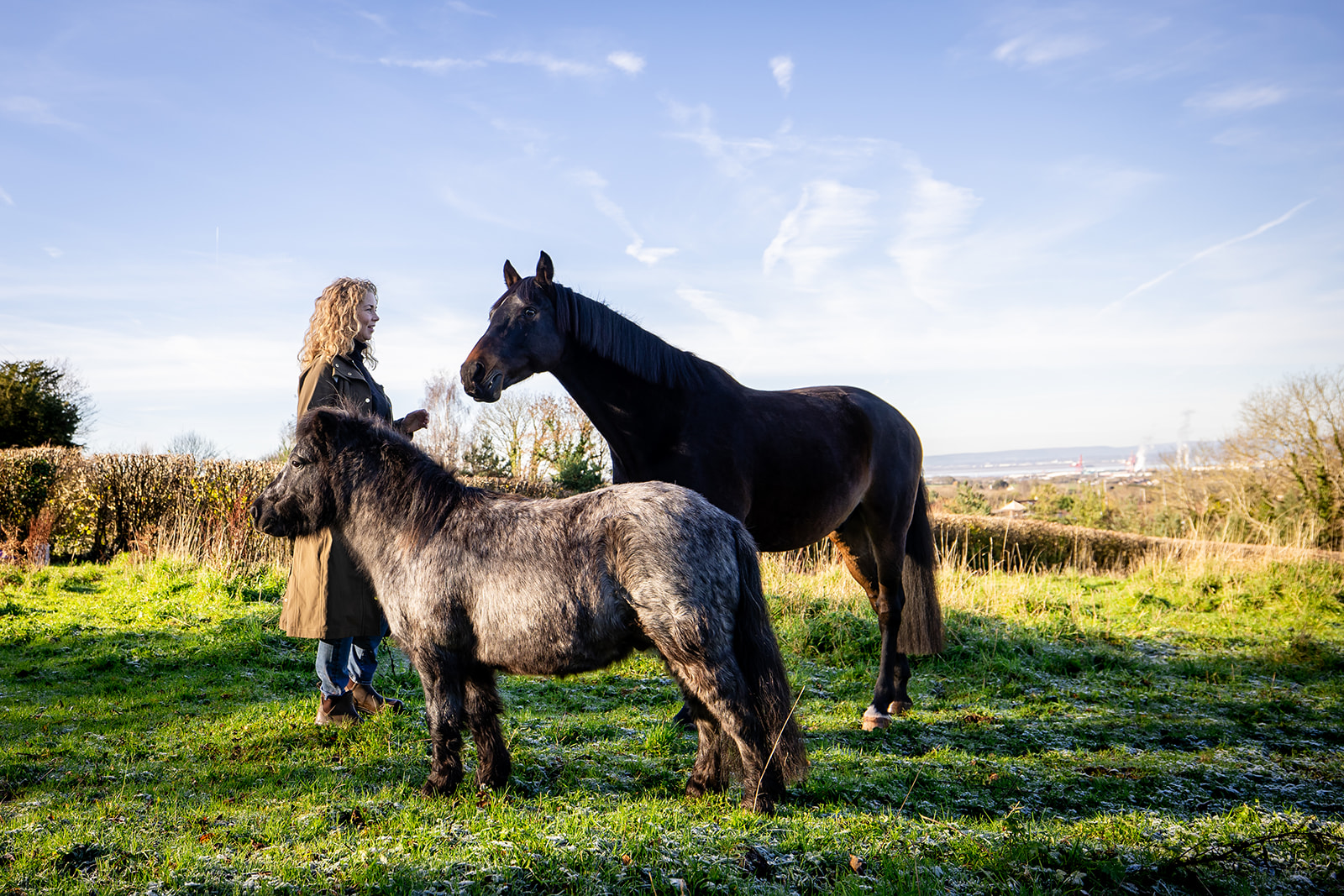
One common misconception is that liberty training is only for highly skilled trainers or naturally talented horses. In reality, horses of many breeds, ages, and experience levels can benefit from liberty work when training is approached with patience and consistency. As well as my warmbllood Reggie, my handsome minature Shetland Ronnie also loves to do liberty work and in fact picks up cues a lot quicker.
Another challenge is the temptation to rush progress. Because liberty training relies heavily on trust and understanding, developing a reliable partnership takes time. Success comes from consistency, clear communication, and respect for the horse’s individual learning pace. On some days Reggie does not feel like engaging and it is so important to listen to the horse and leave your agenda at the gate. The followiing day he just surprises me and seems to follow cues nearly before you ask!
Final Thoughts and Resources
Liberty training offers a unique opportunity to develop a deeper relationship with your horse. By removing physical restraints and focusing on communication, trust, and mutual understanding, handlers can create a partnership built on choice rather than obligation.
Whether your goal is to perform impressive liberty routines, improve your groundwork skills, or simply strengthen your bond with your horse, liberty training can be a rewarding journey for both horse and human. When approached with patience, empathy, and consistency, it demonstrates one of the most powerful truths in horsemanship: the strongest connections are built through trust, not force.
Resources:
If you are new to Liberty I would personally recommend that you seek out the help of a professional locally to start with. In the North Somerset/Bristol area Rebecca Holloway is fantastic. I have put a link below to her details:
Rebecca Holloway – Horsemanship Coach
A google search will provide lots of free videos and resources however I really enjoyed the “Secret to Liberty” by Linda Parelli on “Happy Horse, Happy Life”. You do however have to pay a monthly subscription but this can be cancelled at any time.
Happy Horse, Happy Life with Linda Parelli
The Warwick Schiller website is also great with lots of individual ground work video tutorials.